The Nubian Museum in Aswan tells the story of Nubia, the land between Aswan and Sudan, from prehistory to the present day. Opened in 1997 and winner of the Aga Khan Award for Architecture, it holds thousands of objects saved during the UNESCO campaign before Lake Nasser flooded the region.
- Location: on a hill near the Old Cataract Hotel, Aswan
- Opened: 1997
- Collection: prehistoric, Pharaonic, Christian, Islamic and modern Nubian objects
- Time needed: 1–1.5 hours
Why the Museum Was Built
When the Aswan High Dam was built, rising waters covered Nubian towns, cemeteries and temples, and about 100,000 Nubians were moved to new villages. Archaeologists from around the world rescued what they could. The museum was built to keep these treasures in Nubia and to celebrate a culture that had lost its homeland.
Highlights
- A colossal statue of Ramses II at the entrance hall, beside a model of the Nile valley.
- Statues of the Kushite pharaohs of the 25th Dynasty, the Nubian kings who ruled Egypt.
- A mummified ram covered in gold, sacred to the god Khnum.
- Christian paintings from Nubian churches and Islamic tombstones.
- A recreated Nubian house showing daily life, crafts and wedding traditions.
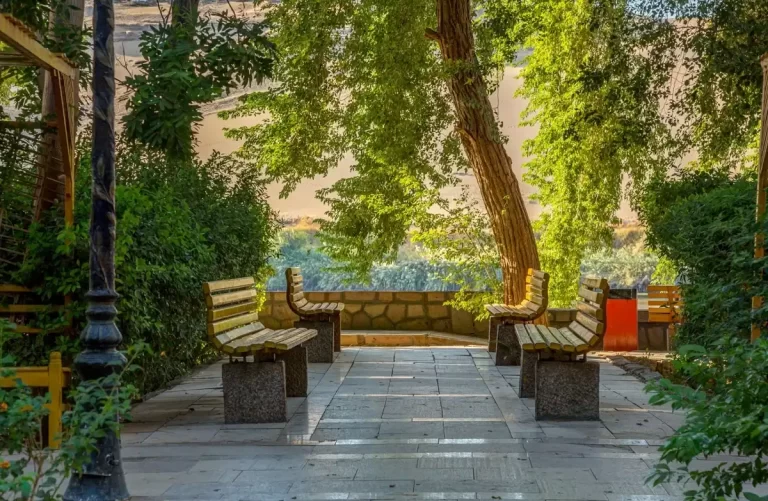
- The garden, with a stream, rock art, tombs and a small cave.
Visiting Tips
The museum is calm and well organised. It is a good place to start before visiting Philae, Kalabsha or Abu Simbel, because it explains how these temples were saved.
Galleries in Order
- Prehistory: rock art, tools and pottery from early Nubian cultures.
- Kerma and Kush: the great African kingdoms south of Egypt that once ruled the Nile.
- Pharaonic Nubia: objects from Egyptian forts and temples in Nubia.
- The 25th Dynasty: statues of the Kushite kings who ruled Egypt, such as Taharqa.
- Christian and Islamic Nubia: church paintings, manuscripts and tombstones.
- Modern Nubia: houses, crafts, jewellery, weddings and music.
The UNESCO Campaign
A large section explains the international rescue of more than 20 Nubian temples between 1960 and 1980, including Abu Simbel, Philae and Kalabsha, with photographs and models.
Nubian Culture Today
Nubians have their own languages, music and architecture of domed mud-brick houses painted in bright colours. After visiting the museum, many travellers go on to a Nubian village such as Gharb Soheil to see this culture in daily life, and to taste Nubian bread, tea and karkade.
Opening Hours and Tickets
The museum is open daily, usually from morning until the evening, and is calm and air-conditioned, a good choice for the hottest part of the day. Check current times and prices before you visit.
Aswan Tours
- Aswan sightseeing tour – from $49
- Nubian village day tour – from $59
- Felucca ride and Botanical Garden – from $29
- Kalabsha Temple and Nubian Museum – from $59
- Day trip to Abu Simbel – from $45
- All Aswan day tours
Frequently Asked Questions about the Nubian Museum
Is the Nubian Museum worth visiting?
Yes. It is one of the best museums in Egypt, with a focused collection and clear displays about Nubian history and the UNESCO rescue campaign.
How long does it take to visit the Nubian Museum?
About one to one and a half hours, including the garden.
Where is the Nubian Museum?
In Aswan, on a hill near the Old Cataract Hotel and the Fatimid Cemetery, a short taxi ride from the Corniche.