

The leader of a triad of gods venerated at Memphis was Ptah. The lion-headed goddess Sekhmet, Ptah's wife, and the god Nefertem, who might have been the couple's son, made up the other two members of the triad. The craftsmen and builders appear to have been Ptah's first connections. Imhotep,...
Osiris
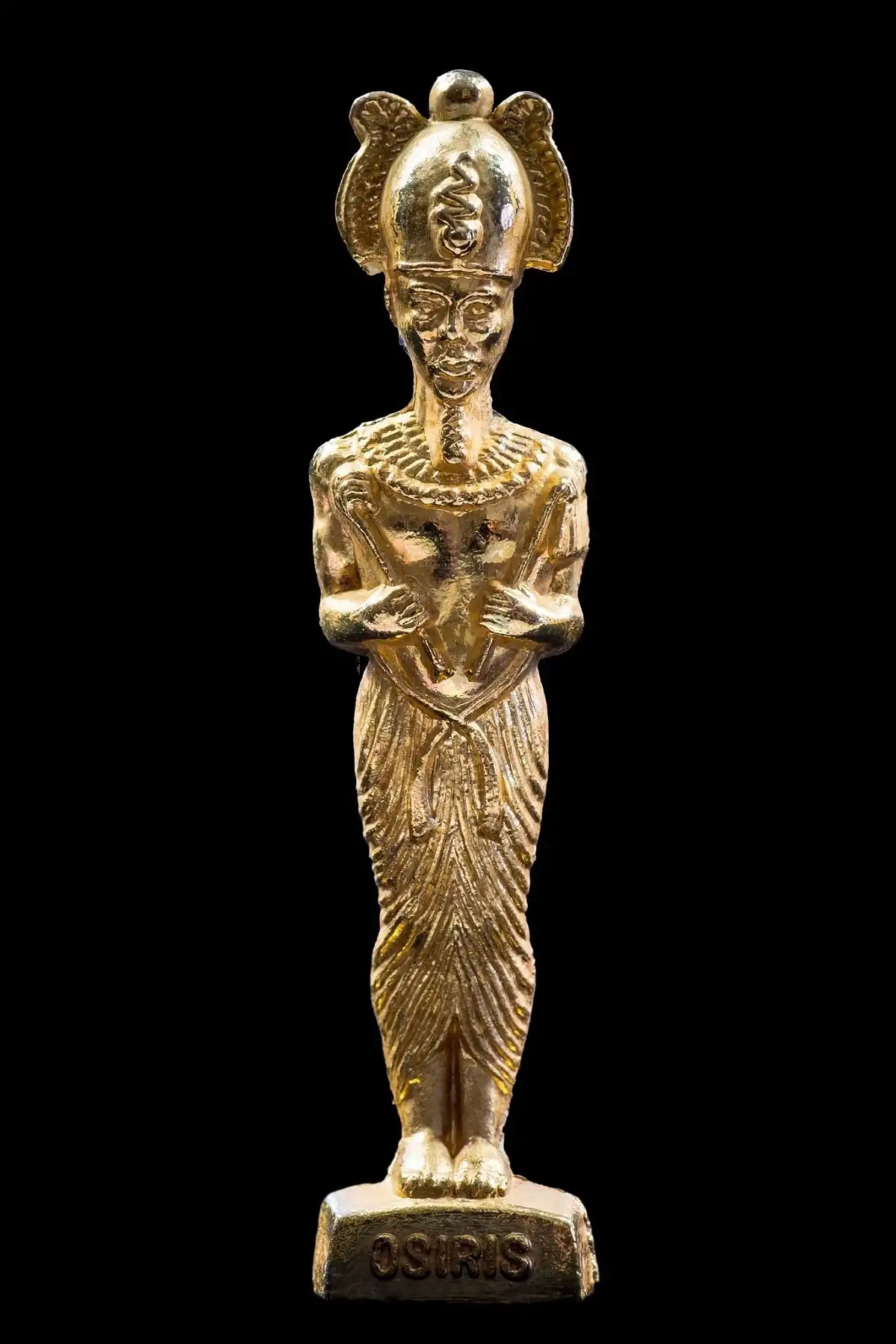
One of Egypt's most revered gods, Osiris, was the deity of the afterlife. He also represented the cycle of Nile floods that Egypt depended on for agricultural fertility, as well as death, the afterlife, and resurrection. The myth claims that Osiris was an Egyptian monarch who was killed and mutilated...
Isis
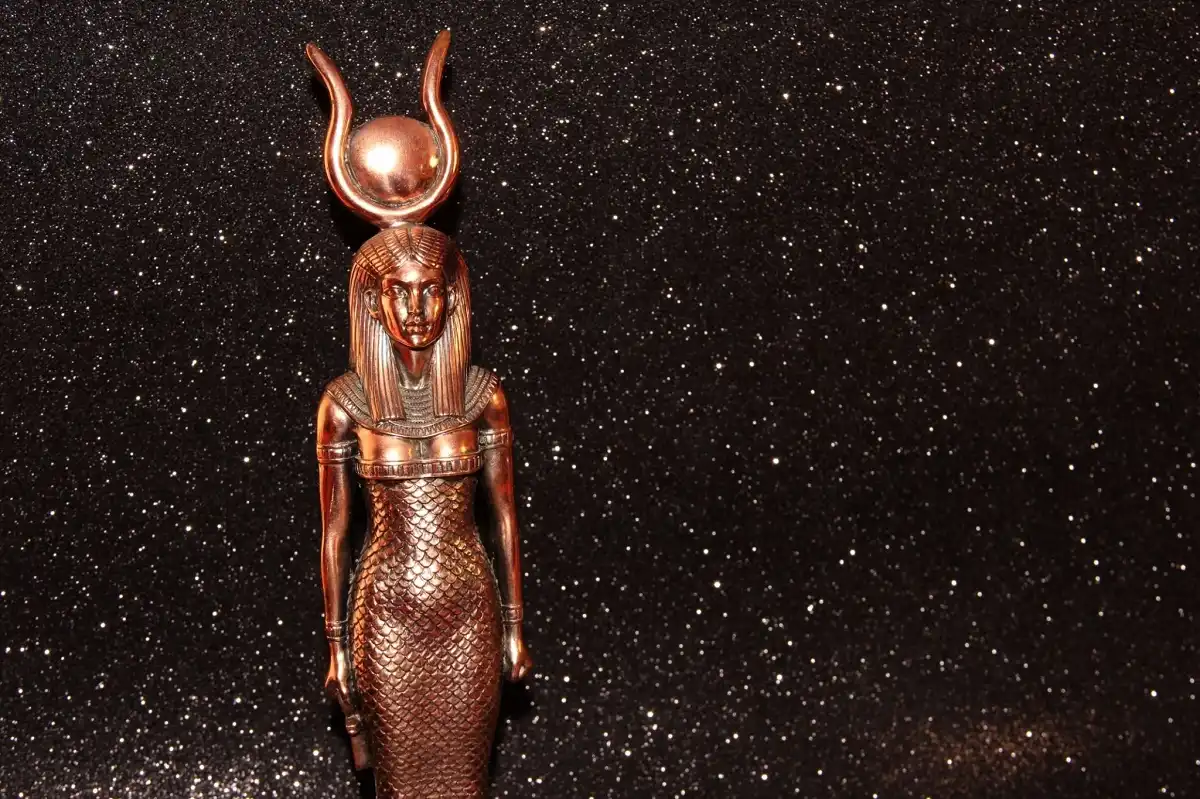
Isis's history is a mystery. She cannot be associated with a definite location, unlike many other gods, and she is not explicitly mentioned in any of the oldest Egyptian writings. She soon rose in stature though, rising to the position of the most significant goddess in the pantheon. Isis represented...
Horus
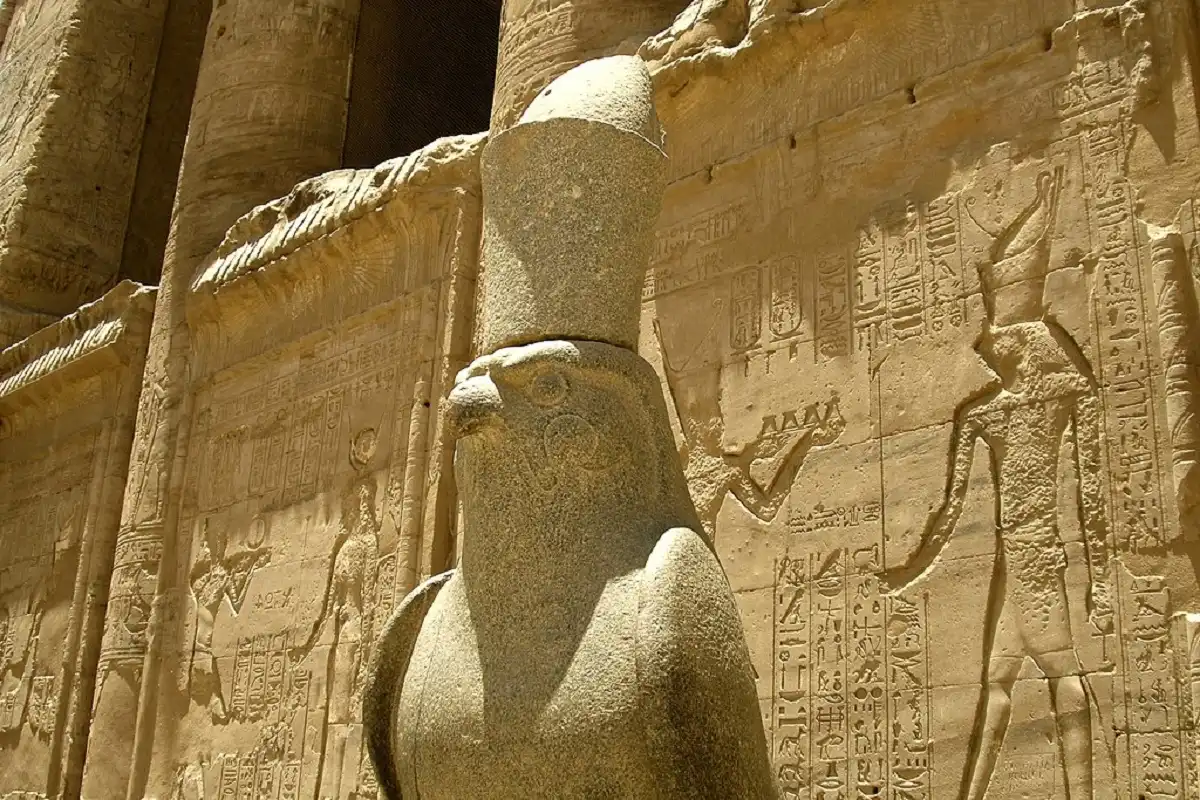
Horus was a sky god linked with battle and hunting, sometimes shown as a falcon or as a man with a falcon's head. He also represented divine kingship, and in some times and places, the prevailing monarch was seen as a manifestation of Horus. The Osiris myth states that Horus...
Hathor
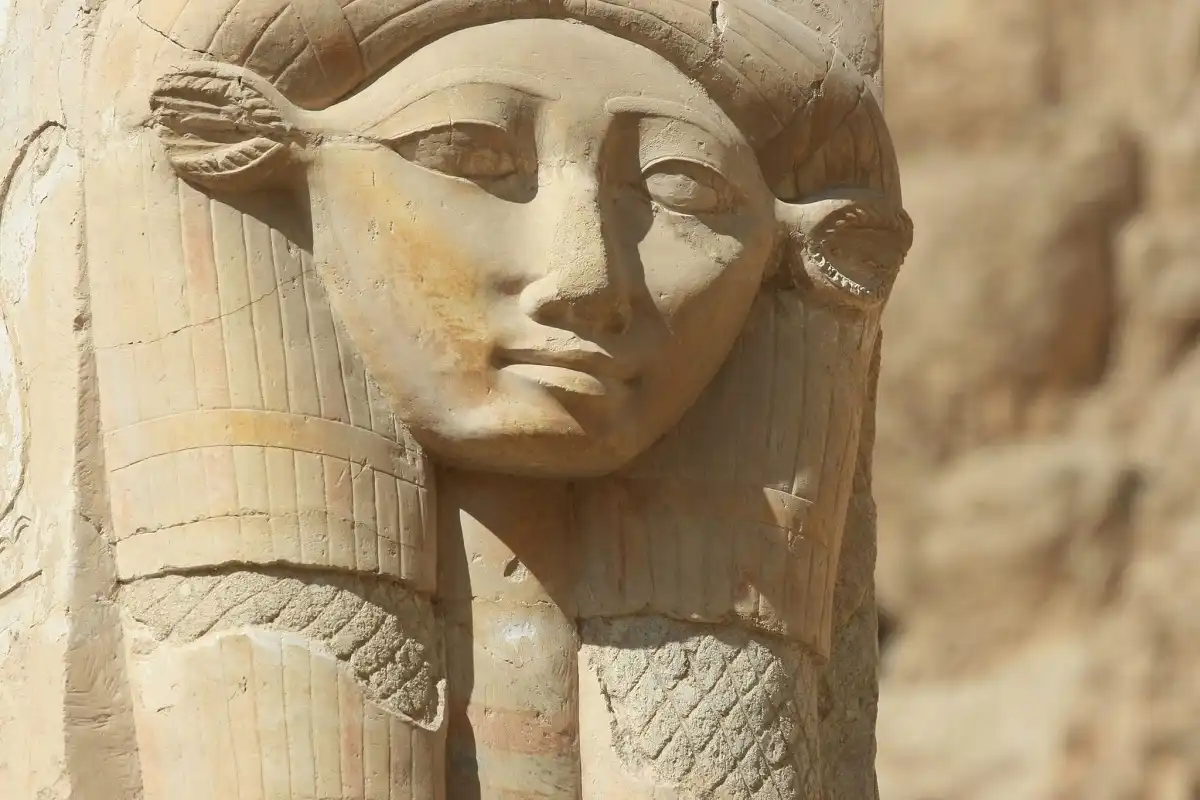
Hathor was frequently shown as a cow, a woman with a cow's head, or a woman with a cow's ears. It was thought that Hathor shielded women during childbirth because she represented motherhood and fertility. Because she was referred to as "the lady of the west," she also had a...
Anubis

Anubis was interested in funeral customs and afterlife care. He was frequently shown as a jackal or as a man with a jackal's head. The Egyptians would have seen jackals scavenging around cemeteries, which is probably how the relationship between jackals and death and funerals came about. Prior to Osiris...
Amon
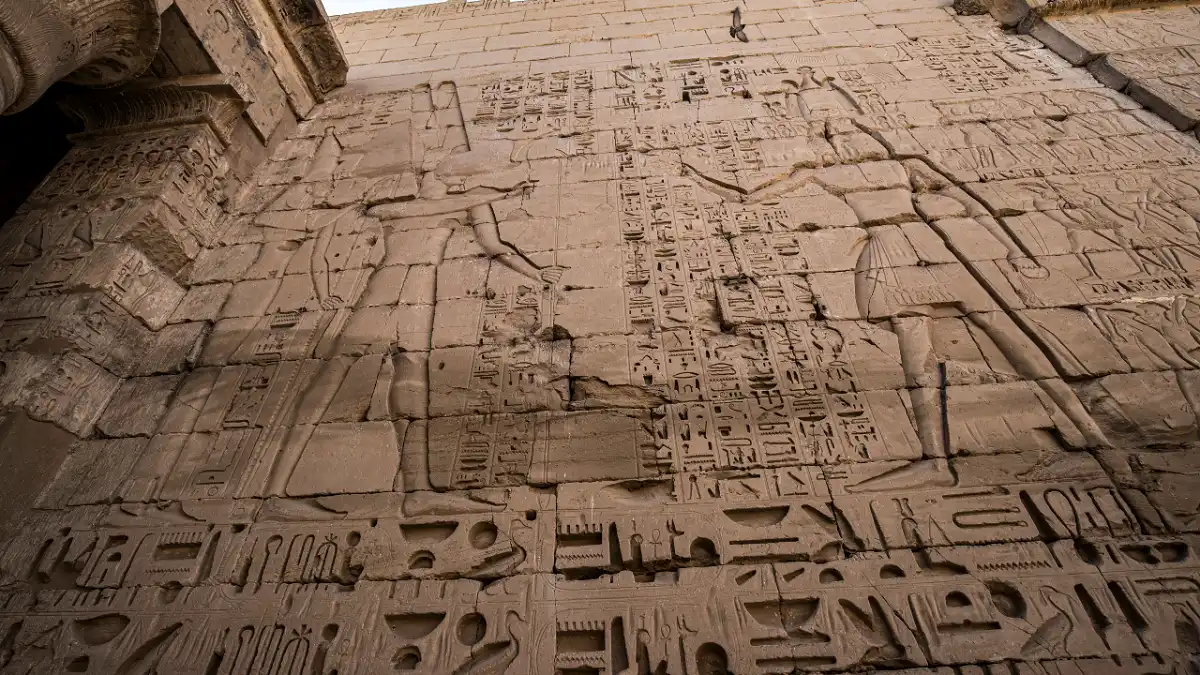
Amon was first worshipped locally in the southern city of Thebes before assuming a more significant role at the national level during the New Kingdom (c. 1539–1292 BCE). Amon, who was a god of the air, was given the name "Hidden One," most likely. He was typically shown as a...
The Unification Battle of Egypt
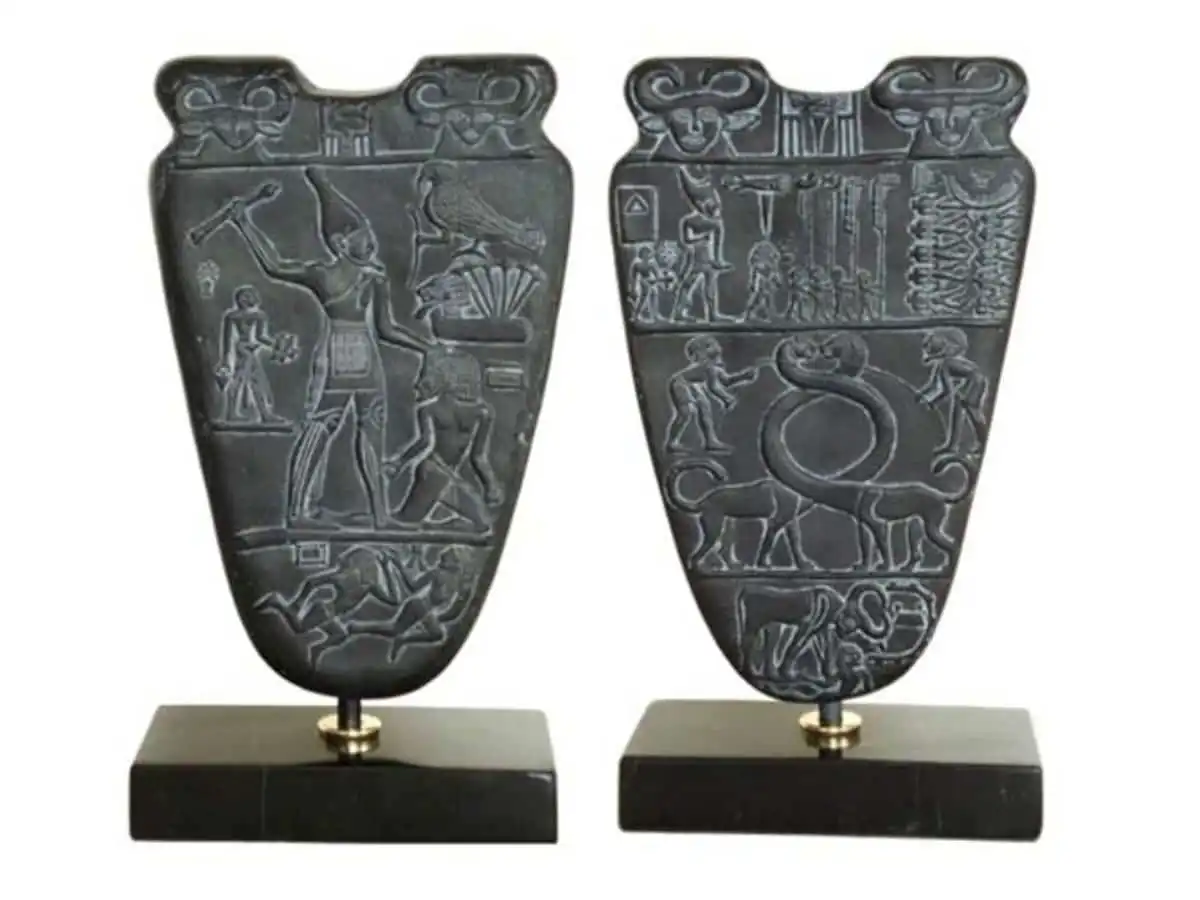
Overview of King Menes and the Unification Battle The unification struggle signaled the start of the early dynastic period, which resulted in the establishment of the first royal dynasty by Egypt's first pharaoh, "king Narmer," also known as "Menes," whose name means "He Who Endures," in about 3100 BCE. He...
The Hyksos Invasion
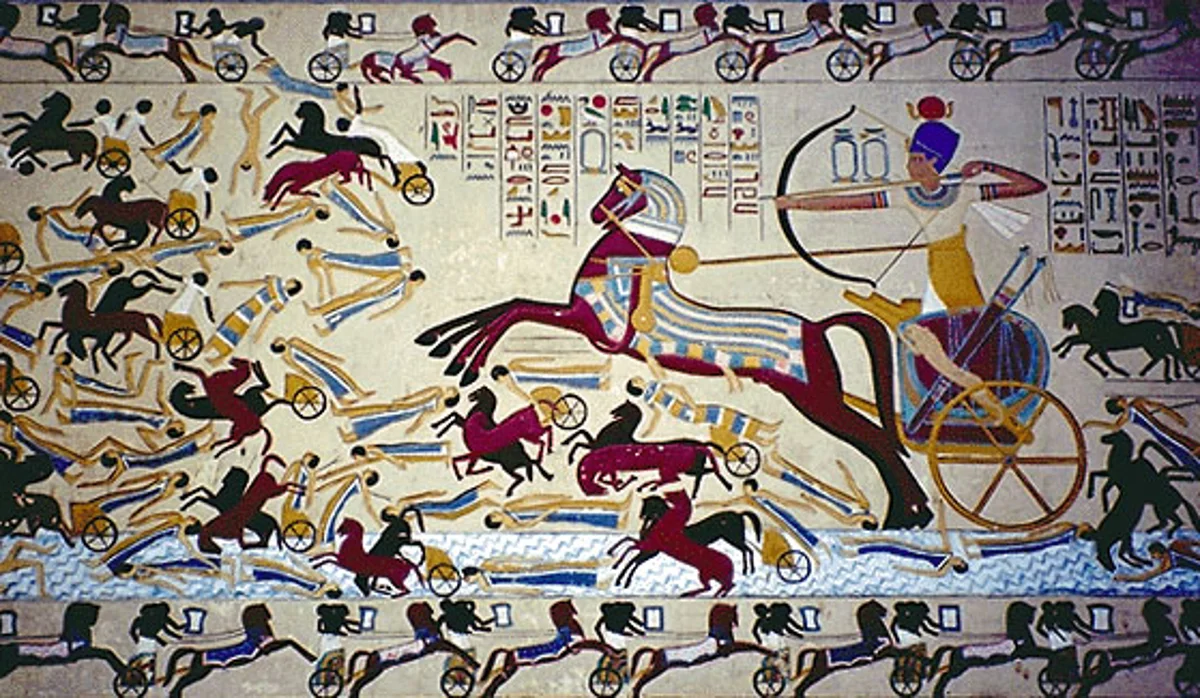
Overview of The Hyksos Invasion The Hyksos were a dynasty of Palestinian descent who governed northern Egypt during the 15th dynasty. They were a mixed Semitic people from west Asia (c.1630-1523 BCE). The term "Ruler of Foreign Lands" in Egyptian was "Hyksos." The Hyksos invasion began around 1650 B.C., they...
The Battle of Pelusium
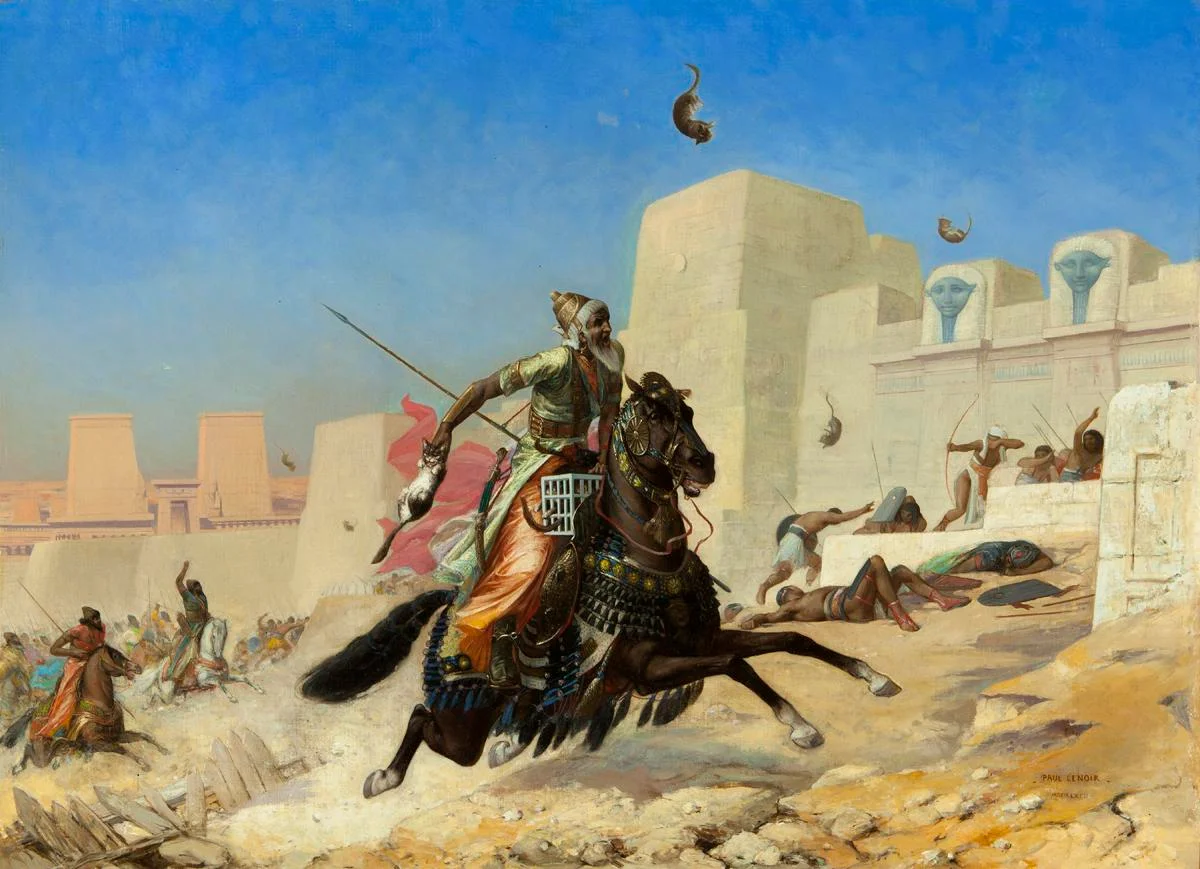
Overview of Historical Background about the Battle of Pelusium The battle of Pelusium, fought between the Achaemenid Empire (the First Persian Empire) led by "Cambyses II" (525-522 BCE) and the ancient Egyptian empire led by "Pharaoh Psametik III" (526-525 BCE), was one of many conflicts that altered the course of...