
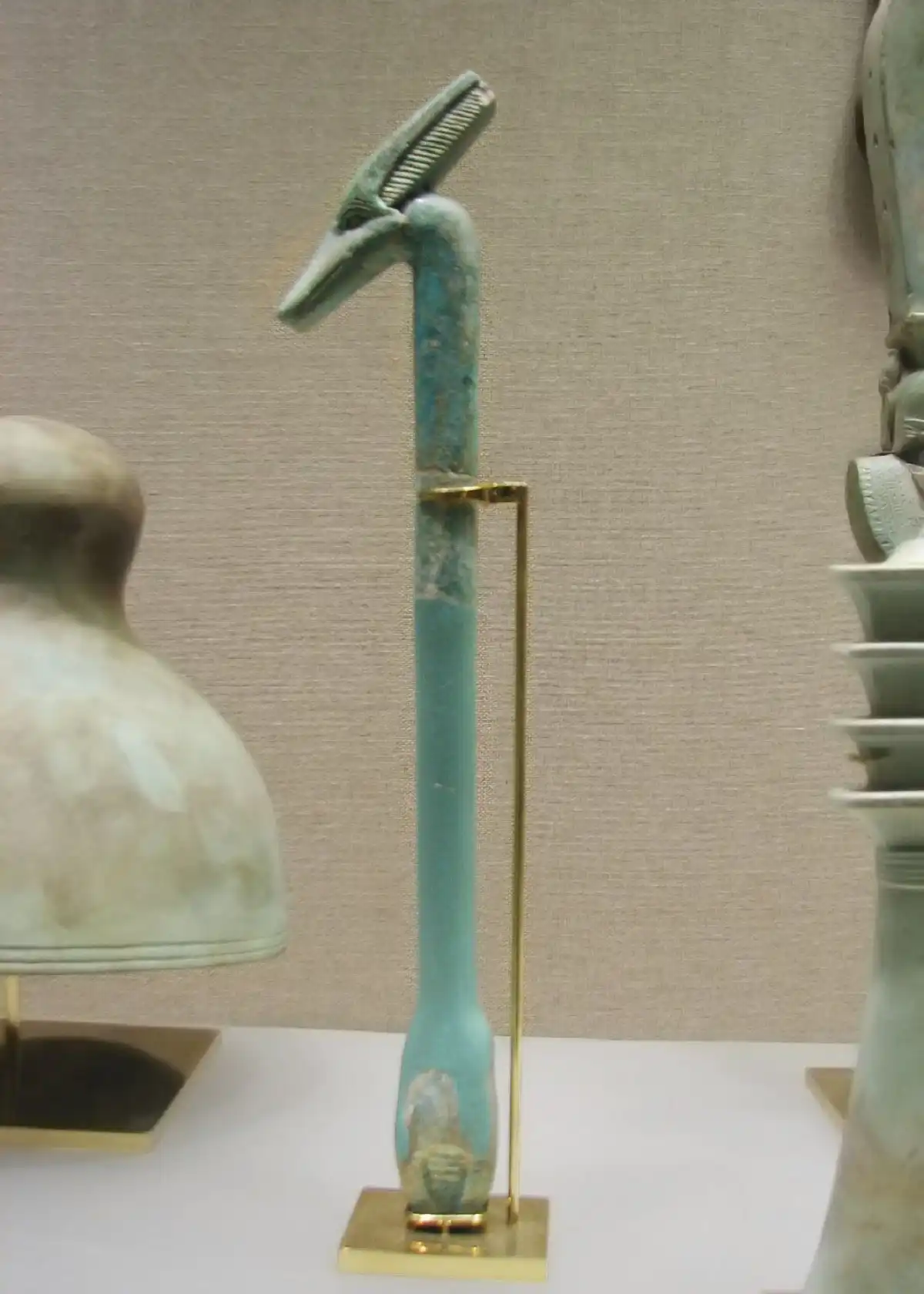
The scepter, also known as the tcham-scepter, was used by ancient Egyptian gods such as the god of chaos, the god of the desert and war Set, and the god of the dead Anubis. It was also discovered in the hands of the pharaoh. It is a symbol of power,...
The Pharaoh’s Curse

The Pharaoh’s Curse The pharaoh's curse is thought to be a retribution meted out by the gods of ancient Egypt to anyone who irritates the pharaoh's eternal Rest. Anyone who wakes the mummy-like Thieves, Tomb Raiders, and Archaeologists from their perpetual slumber will suffer from illness, and bad fortune, and...
The Egyptian Mythology Story of Osiris
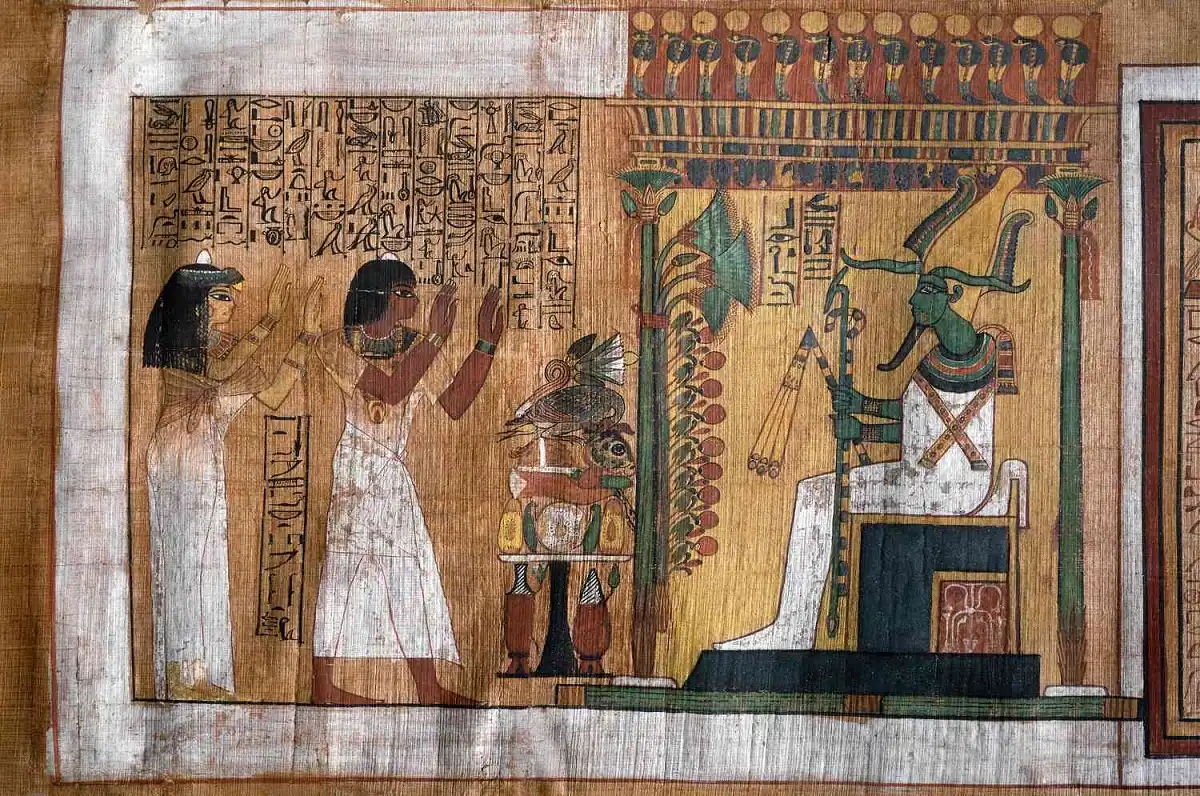
The Egyptian Mythology Osiris Story He was Egypt's king; he chose the ideal locations for trees to grow and for water to flow, and he built the fertile Nile region to meet the requirements of the populace. By maintaining everything in perfect harmony and balance in accordance with the Ma'at...
The Djed Pillar

The Djed pillar, which stood for stability, permanence, and immutability, was one of the most well-known ancient Egyptian symbols. Throughout Egypt's history, it could be seen everywhere in Egyptian art and architecture. The emblem actually portrays the god's Osiris backbone and was connected to both Ptah, the God of Creation,...
The Book of the Dead

Book of the Dead Because they believed there might be hereafter, the ancient Egyptians spent a significant lot of effort and imagination developing the enigmatic book of the dead, which represents the afterlife. They were widely used for 1500 years, from the Greco-Roman era through the Old Kingdom of Egypt...
The Afterlife and Judgment
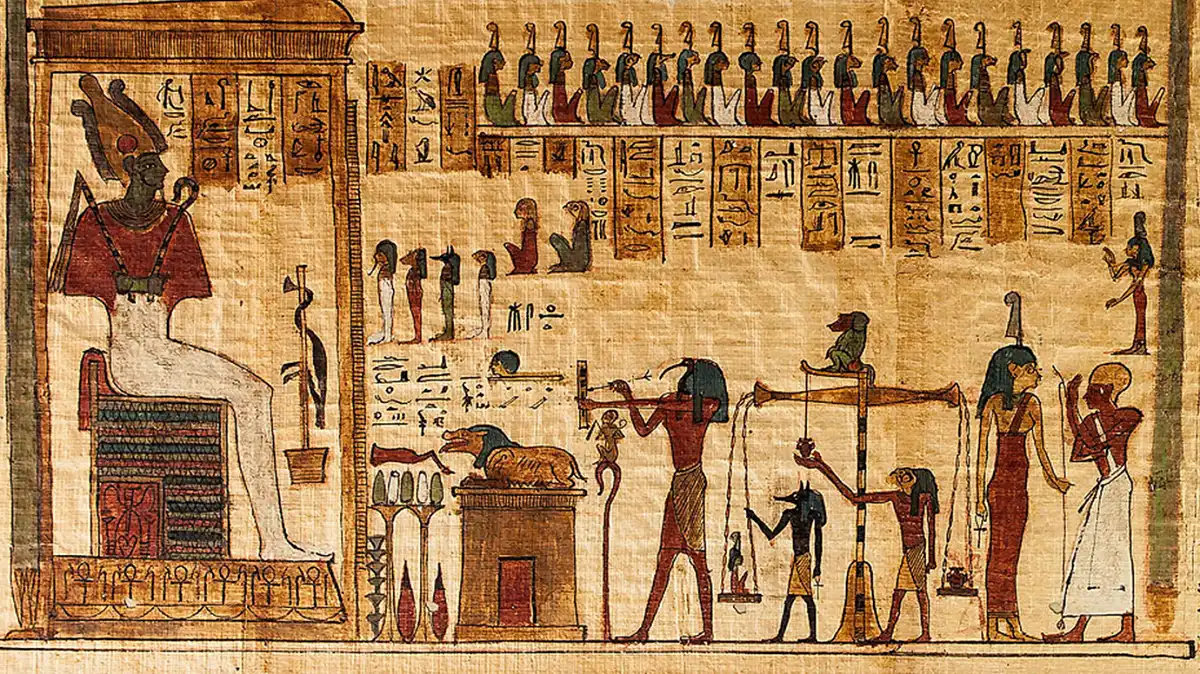
Egyptian Mythology Afterlife and Judgment Story The ancient Egyptians held onto the concepts of repercussions and the continuation of life. The afterlife was one of the primary beliefs of the ancient Egyptians because they held that the soul is immortal and that the earth is but one stop on a...
Eye of Horus

One of the most well-known representations of ancient Egyptian culture is the eye of Horus. It is known to represent royal strength, safety, well-being, rebirth, and victory. Other names for it include Wadjet, Wedjat, or Udjat, none of which should be confused with the Eye of Ra, which stood for...
Egyptian Scarab Beetle

The Egyptian Scarab Beetle, which was depicted in Egyptian art, iconography, and ancient Egyptian religion, is one of the most significant symbols in the history of ancient Egyptian civilization. It stood for rebirth, resurrection, and vitality. Everything started when the beetle formed a ball out of its dung and placed...
Egyptian Mythology Creation Story
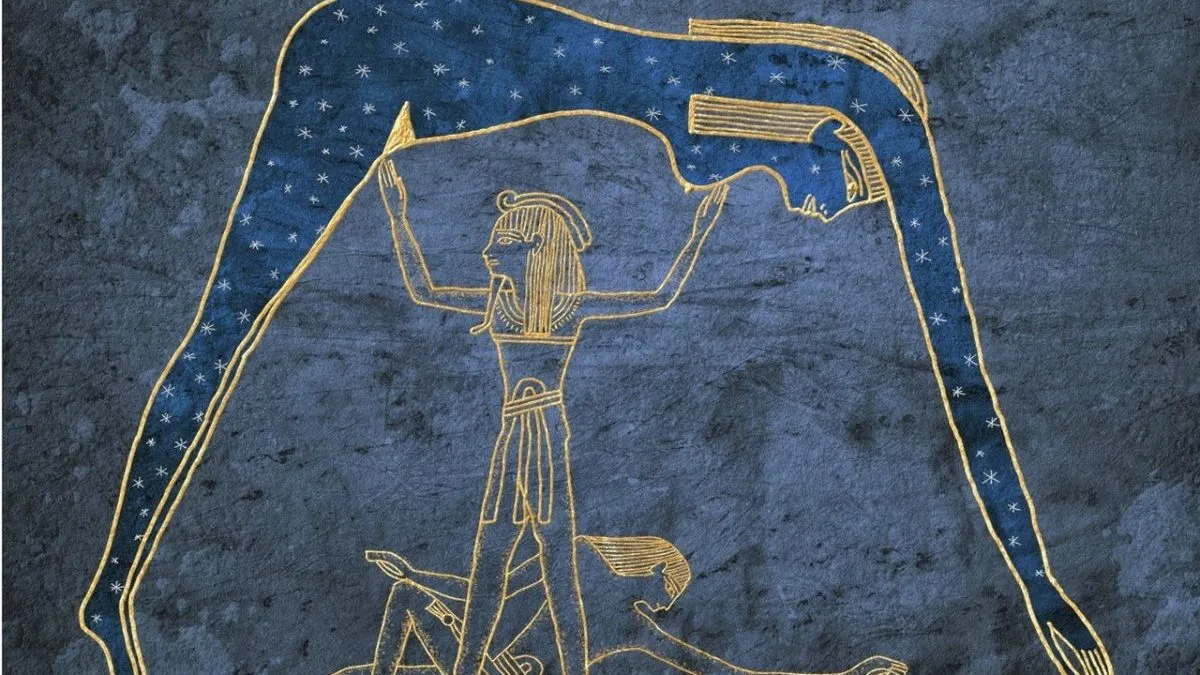
Overview of Egyptian Mythology Creation Story Every ancient society has its own theory or conviction about how events transpired. Ancient Egyptians had creative imaginations, which resulted in a variety of intricate stories about how they came to be. They held that the fundamental laws of life, nature, and society were...