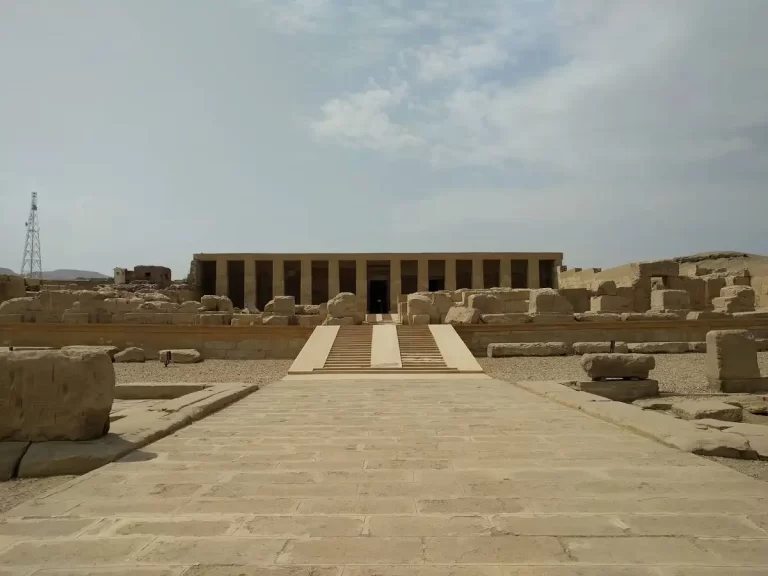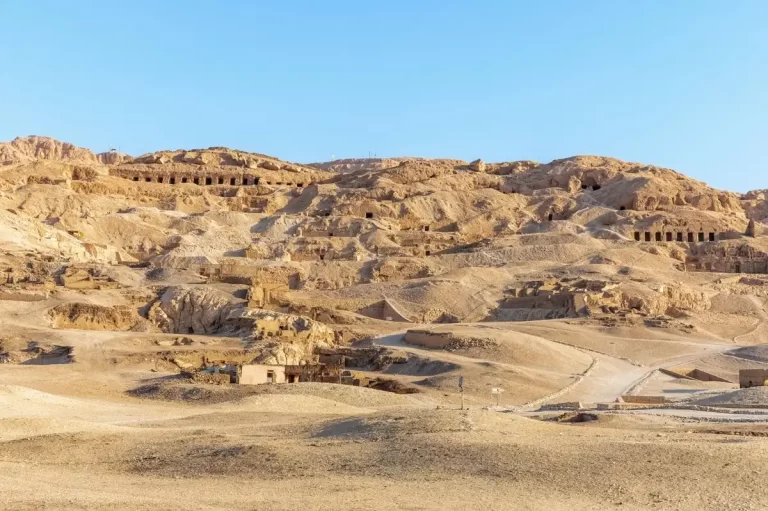
The Tomb of Ramses IV (KV2) lies at the entrance of the Valley of the Kings and is one of the easiest and most colourful royal tombs to visit. Ramses IV ruled for about six years (c. 1155–1149 BC) in the 20th Dynasty, yet his tomb is large, well preserved and full of interest, from its ceiling of the sky goddess Nut to graffiti left by Greek and Coptic visitors.
- Tomb number: KV2, Valley of the Kings
- Pharaoh: Ramses IV, son of Ramses III
- Length: about 89 m
- Ticket: usually included in the standard Valley of the Kings ticket when open
Who Was Ramses IV?
Ramses IV came to the throne after his father Ramses III was murdered in the so-called Harem Conspiracy. He sent large expeditions to quarries and doubled the workforce of tomb builders at Deir el-Medina, hoping for a long reign, but he died after only a few years.
Inside the Tomb
The tomb is a straight corridor leading to the burial chamber. The walls carry texts such as the Litany of Re, the Book of Caverns and the Book of Gates, which guide the king through the underworld (see our guide to the afterlife and judgment). In the burial chamber stands a huge granite sarcophagus, and the ceiling shows the sky goddess Nut swallowing the sun at night and giving birth to it each morning.
An Ancient Plan and Ancient Tourists
A papyrus now in Turin shows a plan of this tomb drawn by ancient architects, one of the oldest surviving architectural plans. The tomb has been open since antiquity, and its walls carry graffiti in Greek and Coptic left by visitors and by Christian monks who lived inside it.
Tips
- Because it is near the entrance, KV2 is a good first tomb before the longer walks.
- Combine with the tombs of Ramses III, Merenptah or Seti I in the Valley of the Kings.
Luxor West Bank Tours
Frequently Asked Questions about the Tomb of Ramses IV
Is the Tomb of Ramses IV worth visiting?
Yes. It is close to the entrance, has bright colours and a striking ceiling of the goddess Nut, and is usually included in the standard ticket.
Why is there Coptic graffiti in the tomb of Ramses IV?
Early Christian monks lived in the open tomb and left inscriptions, as did Greek and Roman visitors before them.