Abu Simbel is the most spectacular temple of Ramses II, carved into a sandstone mountain beside Lake Nasser, about 280 km south of Aswan. Four 20 m statues of the king guard its entrance, and twice a year the rising sun shines deep inside to light up the statues in the sanctuary. In the 1960s both temples were cut up and moved 65 m higher to save them from the waters of the Aswan High Dam.
- Location: near the Sudan border, about 3.5 hours by road or 45 minutes by air from Aswan
- Built: c. 1264–1244 BC, reign of Ramses II
- Temples: Great Temple of Ramses II and Small Temple of Nefertari and Hathor
- Sun Festival: around 22 February and 22 October each year
- Time needed: about 2 hours at the site
- UNESCO: part of the Nubian Monuments World Heritage Site
History of Abu Simbel
Ramses II built the temples at the southern edge of his empire, where every traveller coming from Nubia would see them. They declared his power and his place among the gods. Over time sand buried the facade, and the temples were forgotten until the Swiss explorer Johann Ludwig Burckhardt saw the heads of the colossi in 1813. Giovanni Belzoni dug his way inside in 1817.
The Great Temple of Ramses II
The facade has four seated statues of the king, each about 20 m tall. One lost its head and upper body in an ancient earthquake, and the pieces still lie at its feet. Between the legs stand smaller figures of his mother, his wife Nefertari and his children. Inside, the great hall has eight statues of Ramses as Osiris, and the walls show his victory at the Battle of Kadesh. At the back, the sanctuary holds four seated gods: Ptah, Amun-Re, the deified Ramses and Re-Horakhty.
The Small Temple of Nefertari and Hathor
Next to the great temple, Ramses built a temple for his favourite wife Queen Nefertari and the goddess Hathor. Its facade has six standing statues, four of the king and two of the queen, all the same height, a rare honour for a queen. Inside, the reliefs are delicate and feminine, with Hathor shown as a cow.
The Abu Simbel Sun Festival
The great temple was aligned so that, twice a year, the first rays of the sun travel about 60 m through the temple to light the statues in the sanctuary. Only the statue of Ptah, god of the underworld, stays in shadow. The event happens around 22 February and 22 October, and thousands gather before dawn to watch. Because the temple was moved, the dates shifted by about a day from the original. Book early: see our Abu Simbel Sun Festival tours.
How Abu Simbel Was Saved
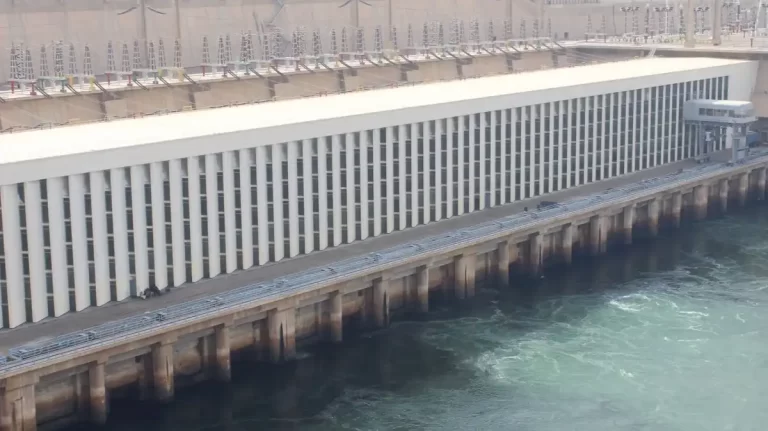
The Aswan High Dam would have drowned the temples under Lake Nasser. Between 1964 and 1968 an international team, under UNESCO, cut both temples into more than 1,000 blocks, some weighing 20 tonnes, and rebuilt them 65 m higher and about 200 m back from the river, inside an artificial hill. It is one of the greatest engineering feats of the 20th century.
How to Get to Abu Simbel
| Option | Time | Notes |
|---|---|---|
| By road from Aswan | about 3.5 hours each way | Early morning start, most popular and budget friendly |
| By plane from Aswan or Cairo | about 45 minutes from Aswan | Fastest; limited flights |
| Lake Nasser cruise | 3–4 nights | Lets you see the temples at sunset and sunrise |
Tips for Visiting Abu Simbel
- Leave Aswan around 4–5 am to arrive before the heat and the crowds.
- Bring water, a hat and breakfast for the road.
- Visit the small visitor centre to see how the temples were moved.
- Combine with Aswan sights such as Philae Temple the next day.
Abu Simbel Tours
- Day trip to Abu Simbel from Aswan – from $45
- Abu Simbel from Aswan by private car – from $59
- Abu Simbel Sun Festival tour – from $99
- 4-day Cairo and Abu Simbel package – from $559
- 4-night Nile cruise from Luxor with Abu Simbel – from $499
Frequently Asked Questions about Abu Simbel
When is the Abu Simbel Sun Festival?
Around 22 February and 22 October each year, at sunrise, when sunlight reaches the statues in the inner sanctuary of the Great Temple.
How far is Abu Simbel from Aswan?
About 280 km, or roughly 3.5 hours by road. Flights from Aswan take about 45 minutes.
Why was Abu Simbel moved?
To save it from flooding by Lake Nasser after the Aswan High Dam was built. It was moved 65 m higher between 1964 and 1968.
Can you visit Abu Simbel in one day?
Yes. Most visitors take a day trip from Aswan, leaving very early and returning by early afternoon.
Who built Abu Simbel?
Pharaoh Ramses II built both temples around 1264–1244 BC, one for himself and the gods and one for his wife Nefertari and the goddess Hathor.