The best places to visit in Egypt are Cairo and Giza, Luxor, Aswan, Abu Simbel, a Nile cruise between Luxor and Aswan, Alexandria, and the Red Sea coast. Together they cover 5,000 years of history, from the Pyramids to medieval mosques, plus coral reefs, deserts and oases. This guide, written by our local guides in Luxor, ranks the top destinations and explains how to fit them into one trip.
- 1. Giza Pyramids and the Great Sphinx
- 2. Grand Egyptian Museum
- 3. Luxor: Karnak and Luxor Temple
- 4. Luxor West Bank: Valley of the Kings and Hatshepsut Temple
- 5. Nile cruise between Luxor and Aswan
- 6. Abu Simbel
- 7. Aswan and Philae Temple
- 8. Islamic and Coptic Cairo
- 9. Alexandria
- 10. Hurghada and the Red Sea reefs
- 11. Sharm el-Sheikh and Mount Sinai
- 12. The Western Desert: White Desert and Siwa Oasis
1. The Giza Pyramids and the Great Sphinx
No trip to Egypt is complete without the Giza Pyramids. The Great Pyramid of Khufu is the last surviving wonder of the ancient world, and the Great Sphinx has guarded the plateau for 4,500 years. Arrive early, ride a camel to the Panorama viewpoint, and go inside the Great Pyramid if you are not claustrophobic.
2. The Grand Egyptian Museum
Just 2 km from the pyramids, the Grand Egyptian Museum displays the complete treasure of Tutankhamun for the first time, along with a colossal Ramses II and Khufu’s ancient boat. Allow at least half a day. The historic Egyptian Museum in Tahrir is still worth a visit for the gold of Tanis.
3. Luxor East Bank: Karnak and Luxor Temple
Luxor, ancient Thebes, holds more monuments than anywhere else in Egypt. Karnak Temple is the largest temple complex ever built, with its forest of columns in the Great Hypostyle Hall, while Luxor Temple is magical when lit up at night. The Avenue of Sphinxes links the two.
4. Luxor West Bank: Valley of the Kings and Hatshepsut Temple
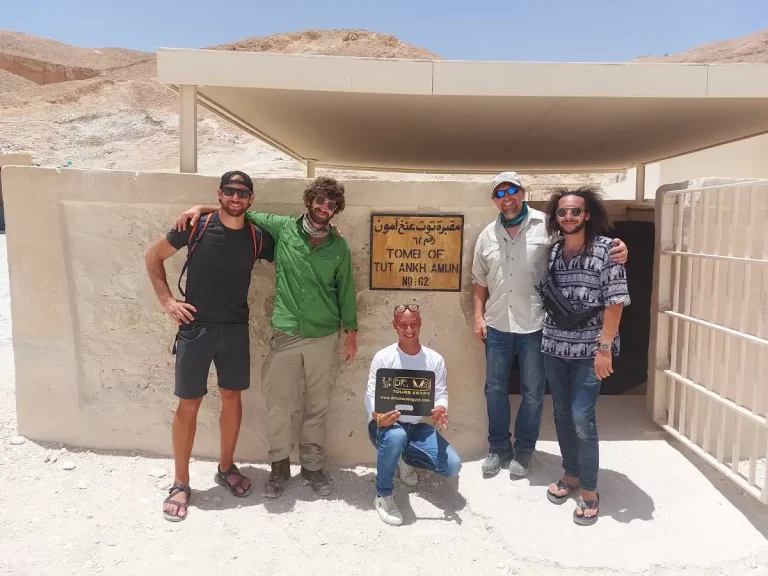
Across the Nile, the Valley of the Kings hides the painted tombs of the pharaohs, including Tutankhamun’s. Nearby are the terraced Temple of Hatshepsut, the Colossi of Memnon and the Valley of the Queens. See it all from above on a sunrise hot air balloon flight.
5. A Nile Cruise between Luxor and Aswan
Sailing the Nile is the classic way to travel through Upper Egypt. In three to four nights you visit the temples of Esna, Edfu and Kom Ombo, with sunsets over palm groves and villages from the deck. For a quieter experience, choose a traditional dahabiya sailing boat. Browse our Nile cruises.
6. Abu Simbel
The giant rock-cut temples of Ramses II and Nefertari at Abu Simbel were moved block by block to escape Lake Nasser. Visit on a day trip from Aswan, or time your trip for the Sun Festival on 22 February or 22 October.
7. Aswan and Philae Temple
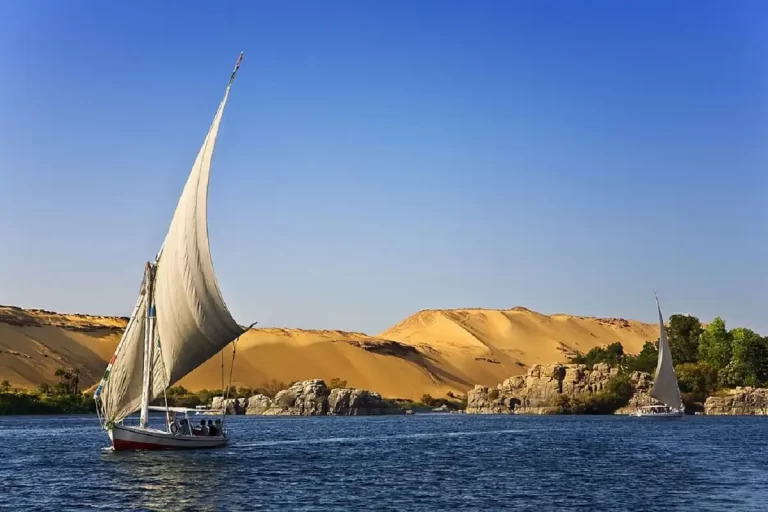
Aswan is Egypt’s most relaxing city, with granite islands, golden dunes and Nubian villages. Visit the island Temple of Isis at Philae, the Unfinished Obelisk, the High Dam and the Nubian Museum, then sail a felucca at sunset.
8. Islamic and Coptic Cairo
Medieval Cairo is a UNESCO World Heritage Site of mosques, madrasas and markets. Climb to the Citadel of Salah al-Din and the Muhammad Ali Mosque, admire Sultan Hassan, and shop in Khan el-Khalili. In Coptic Cairo, visit the Hanging Church and Abu Serga. The NMEC in Fustat now houses the royal mummies.
9. Saqqara, Memphis and Dahshur
South of Cairo lie the Step Pyramid of Djoser, the first pyramid ever built, the ruins of Memphis, Egypt’s first capital, and the Bent and Red Pyramids of Dahshur. They are quieter than Giza and easy to combine in one day.
10. Alexandria
Founded by Alexander the Great, Alexandria offers the modern Bibliotheca Alexandrina, the Qaitbay Citadel on the site of the ancient lighthouse, Roman catacombs and fresh seafood on the Mediterranean.
11. The Red Sea: Hurghada, El Gouna and Marsa Alam
After the temples, relax on the Red Sea. Hurghada has easy reefs and day trips to Luxor, El Gouna is a stylish lagoon town, and Marsa Alam offers turtles, dolphins and untouched reefs.
12. Sharm el-Sheikh and Sinai
Sharm el-Sheikh is famous for diving at Ras Mohammed and Tiran Island. From here, climb Mount Sinai for sunrise and visit St Catherine’s Monastery, or relax in bohemian Dahab.
Bonus: The Western Desert
For adventure, head west to the chalk formations of the White Desert, the hot springs of Bahariya Oasis, or remote Siwa Oasis near the Libyan border, where Alexander the Great consulted the Oracle of Amun.
How to Plan Your Egypt Itinerary
| Trip length | Suggested route |
|---|---|
| 5 days | Cairo and Giza (2 days) + Luxor (2 days) by flight |
| 7–8 days | Cairo (2–3 days) + 4-night Nile cruise Luxor to Aswan with Abu Simbel |
| 10–12 days | Cairo + Nile cruise + Abu Simbel + 3–4 days on the Red Sea or Alexandria |
| 14 days | Cairo, Alexandria, Nile cruise, Abu Simbel and Hurghada or Sharm el-Sheikh |
See our ready-made Egypt travel packages and packages by duration.
Best Time to Visit Egypt
October to April is the best season for sightseeing, with warm, sunny days. Summer is very hot in Luxor and Aswan but perfect for the Red Sea. Read our guide to the weather in Luxor and Aswan, and prepare with our Egypt packing list and tipping guide.
Popular Egypt Tours
- 8 nights / 9 days Egypt tour with balloon and camel ride – from $899
- 4-day Cairo and Luxor package – from $849
- 7-day Cairo, Nile cruise and Hurghada – from $1,309
- 4-day Nile cruise Aswan to Luxor – from $399
- Day trip to the Pyramids – from $49
- Egypt classic tours
Frequently Asked Questions about the Best Places to Visit in Egypt
What is the number one place to visit in Egypt?
The Giza Pyramids and the Great Sphinx are Egypt’s most famous sight, closely followed by Luxor’s Karnak Temple and Valley of the Kings.
How many days do you need to see Egypt?
Seven to ten days lets you see Cairo, Luxor, Aswan and Abu Simbel, ideally with a Nile cruise. Add three or four days for the Red Sea.
Is Luxor or Cairo better?
You need both. Cairo has the Pyramids and the best museums; Luxor has the greatest temples and royal tombs.
What is the best way to travel between Cairo, Luxor and Aswan?
Fly from Cairo to Luxor or Aswan (about 1 hour), then take a Nile cruise between Luxor and Aswan. Overnight sleeper trains are another option.
Is Egypt safe for tourists?
Egypt’s main tourist areas are generally safe, with visible security at major sites. Check your government’s travel advice and travel with a licensed local operator.